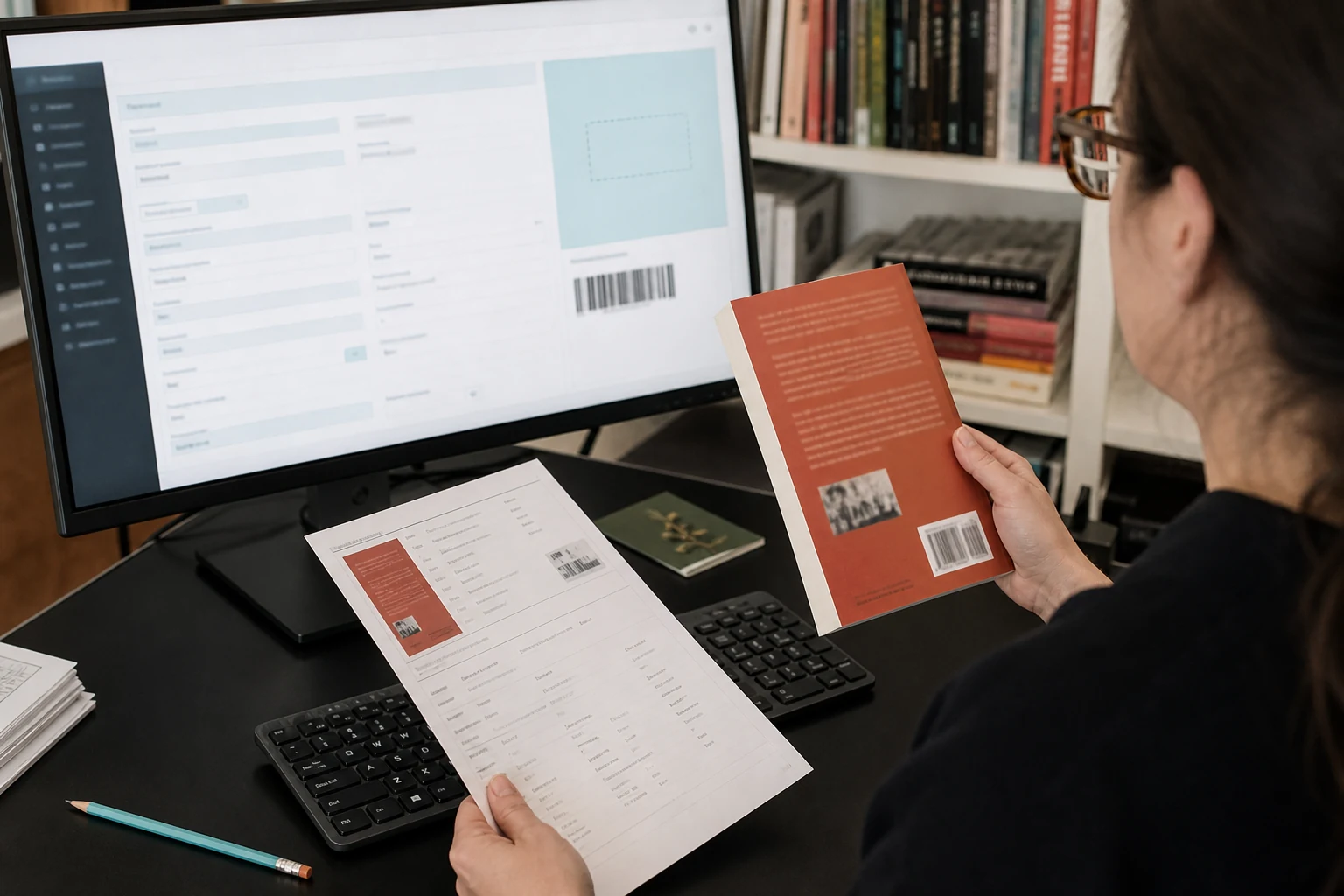

What Authors Should Know Before Localizing a Book
Language rights, territory, formats, publishing control, royalties, and why a localization package can be the first step before licensing rights.
Journal
Evergreen notes on rights strategy, publication-ready localization, global market entry, book fairs, metadata, author partnerships, and the infrastructure that helps books travel without making publishing control vague.

Archive
Evergreen reference notes for publishers, agents, rightsholders, and foreign edition partners: practical, direct, and focused on decisions that help books travel.

Language rights, territory, formats, publishing control, royalties, and why a localization package can be the first step before licensing rights.

Foreign-language publication requires editing, cultural adaptation, metadata, category strategy, cover direction, keywords, copywriting, and QA.

Selling rights, licensing rights, co-publishing, and hiring a localization partner are different commercial paths.

Series potential, proven reviews, genre fit, and existing readership can make older titles easier to evaluate for new markets.

A lean rights operation can use a catalog, outreach list, rights sheets, sample translations, and follow-ups without expensive exhibition costs.

A practical checklist: rights status, source files, cover rights, glossary, series bible, platform strategy, pricing, metadata, and launch copy.

How these languages connect reader territories, publishing networks, and commercial opportunities.

A walk through Maquine's pipeline: intake, rights check, editorial review, translation, revision, proofreading, formatting guidance, metadata, and delivery.

Why lean rights and localization partners can sit between traditional agencies, publishers, and independent authors.

Metadata is not clerical residue. It is how a foreign edition becomes discoverable, reportable, and governable.

How a rightsholder can prepare a multi-book localization path while keeping platform, pricing, and publication decisions in house.

Meetings matter, but the follow-up packet often decides whether a conversation becomes a real opportunity.

How a small publisher can arrive with a focused rights list, clean availability notes, and meeting materials that respect professional time.

Spanish-language rights outreach needs territory awareness, category discipline, and materials that distinguish Spain, Latin America, and US Spanish readers.

Children and YA rights work requires age band clarity, illustration permissions, series logic, school/library signals, and careful partner materials.

Language pairs affect translator availability, revision needs, glossary work, market research, metadata, and quality-control scope.

A sample translation can test voice, prove market fit, support rights outreach, and prevent premature full-edition spending.

The economics of localization partnerships should be named plainly before production begins.

A rights sheet should answer professional questions quickly: what the title is, why it travels, what is available, and what comes next.

Publication is not the end of a localization project. Reporting, metadata updates, review monitoring, and next-market learning matter.

A title can be eligible for movement and still require careful boundaries around format, territory, approval, and third-party material.

Rights outreach is not a batch of emails. It is a record of conversations, materials, timing, rights status, and next decisions.