Sample Translations as Rights Tools
A sample translation can test voice, prove market fit, support rights outreach, and prevent premature full-edition spending.
By Eleanor Vale · MAQUINE Editorial Desk
A house editorial byline, not a client identity or external endorsement.
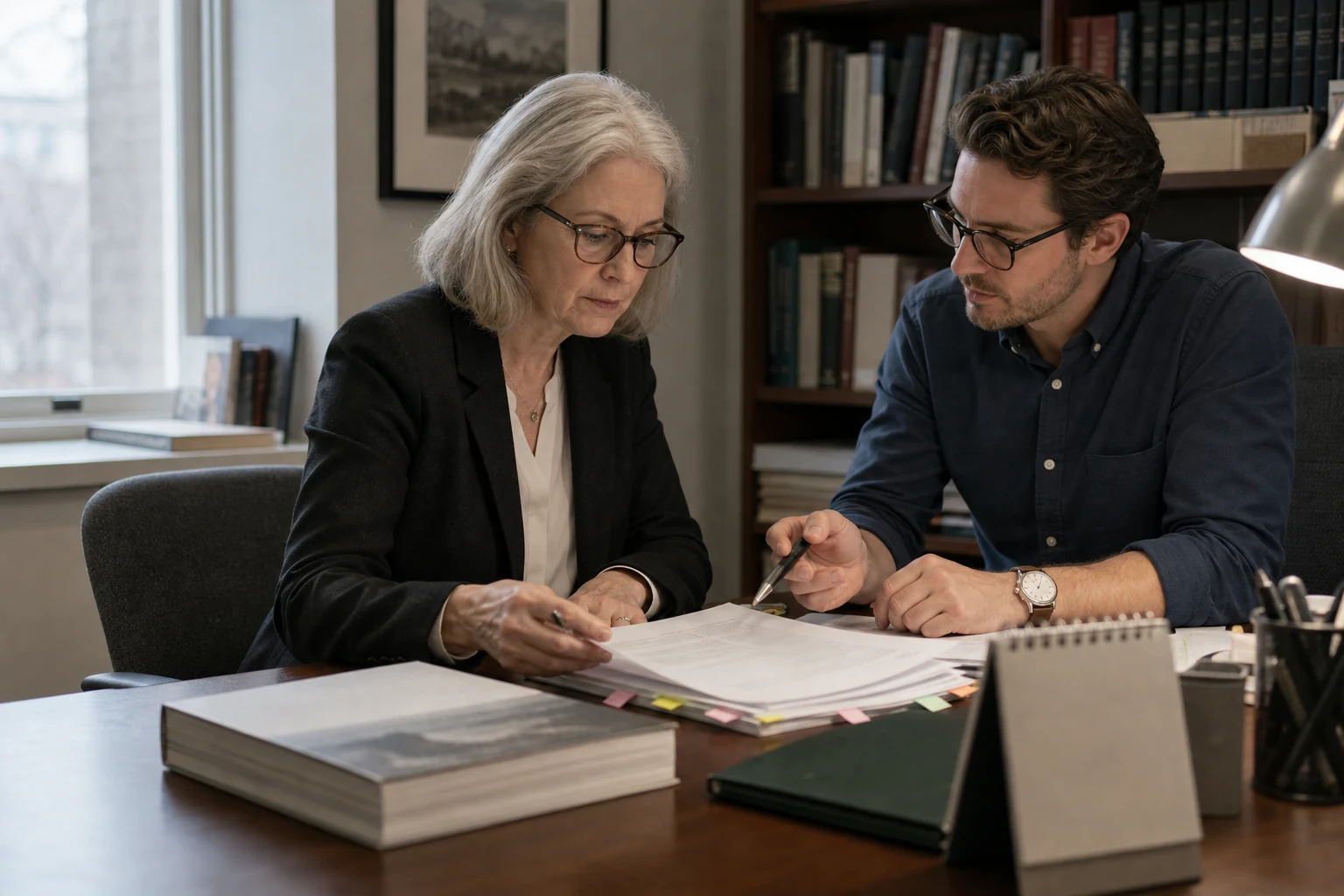
A sample translation is not just a fragment of a future edition. Used well, it is a rights tool. It can test voice, reveal category fit, support partner outreach, clarify revision needs, and help the rightsholder decide whether a full localization package is justified. Used poorly, it becomes a random excerpt that says little about the book. The difference begins with choosing the right passage.
The best sample is not always the first chapter. For fiction, it may be the scene that carries voice, tension, emotional promise, genre pattern, or worldbuilding. For nonfiction, it may be a section that shows argument, authority, usefulness, and reader transformation. For children and YA, it may need to demonstrate age band and tone. A sample should help a professional understand why the title might travel.
Sample scope should match the decision. A rightsholder preparing for a fair may need a polished excerpt and rights sheet. An indie author testing Portuguese or Spanish may need a sample plus metadata note. A publisher reviewing a backlist may need samples for several shortlisted titles. A partner considering a license may need sample pages, sales context, and availability. MAQUINE scopes sample work according to the next decision, not as a generic add-on.
The sample also reveals production risk. Does the book require heavy cultural adaptation? Are there recurring terms that need a glossary? Does the voice depend on humor, dialect, or wordplay? Are references dated? Does nonfiction need updated examples? These questions are cheaper to discover in a sample than after a full manuscript has been translated. A good sample is a diagnostic instrument.
For rights outreach, presentation matters. The sample should be paired with a concise title note, category, author context, rights availability, and next-step invitation. A sample alone may show quality, but it does not answer the partner commercial questions. A sample packet should make the opportunity easier to circulate internally. The recipient should understand what is available and why the sample matters.
A sample can also protect the rightsholder from overcommitting. If the sample shows that the market argument is weak, the voice is unusually difficult, or the rights position needs cleanup, the project can pause before full production. That is not failure. It is disciplined sequencing. Spending less to learn more is often the right first move.
MAQUINE uses sample translations as part of a broader rights and localization toolkit. They can lead to full edition packages, partner outreach, rights fair preparation, or a decision to wait. The sample is valuable because it turns possibility into evidence.
A rights sample is designed to support a decision, not to prove that pages can be translated. Define the intended reader of the sample: acquiring editor, foreign publisher, agent, scout, or internal rightsholder. Their question may concern voice, market fit, difficulty, or production feasibility. The purpose determines passage selection, length, annotation, and the context supplied with it.
Choose passages that expose the book. For fiction, that may include narrative voice, dialogue, humor, or a central relationship. For nonfiction, it may include argument, examples, terminology, and the author approach. Opening pages are convenient but not always representative. A short note can explain why the selected material demonstrates the opportunity and what remains outside the sample.
The brief should state language variant, audience, tone, terminology sources, treatment of names or quotations, and whether the sample is polished for external circulation. Ask the translator to record important decisions. A second qualified reader should review the result. This creates a sample that can survive serious evaluation instead of relying on one unchecked performance.
Rights and permissions still apply. Confirm authority to translate and circulate the selected text, limit access when the manuscript is unpublished, and identify third-party material that cannot be included. The agreement with the translator should define ownership and permitted use of the sample. A rights tool should not create a new uncertainty inside the chain of title.
Package the translation with a concise synopsis, author and publication context, available rights, source and target language, sample status, and rights contact. Track who receives it and which version was sent. Feedback should return to the title record: requested changes, market concerns, and partner interest can inform the full edition brief even if no immediate license follows.
Measure whether the sample answered its assigned question. Record who reviewed it, which aspects were convincing or weak, whether a new passage is needed, and what decision followed. This prevents endless sample polishing without a commercial purpose. It also gives the rightsholder evidence for choosing a full-production team if the project advances.