Why Backlist Titles Can Travel Faster Than New Releases
Series potential, proven reviews, genre fit, and existing readership can make older titles easier to evaluate for new markets.
By Sophie Reed · MAQUINE Editorial Desk
A house editorial byline, not a client identity or external endorsement.
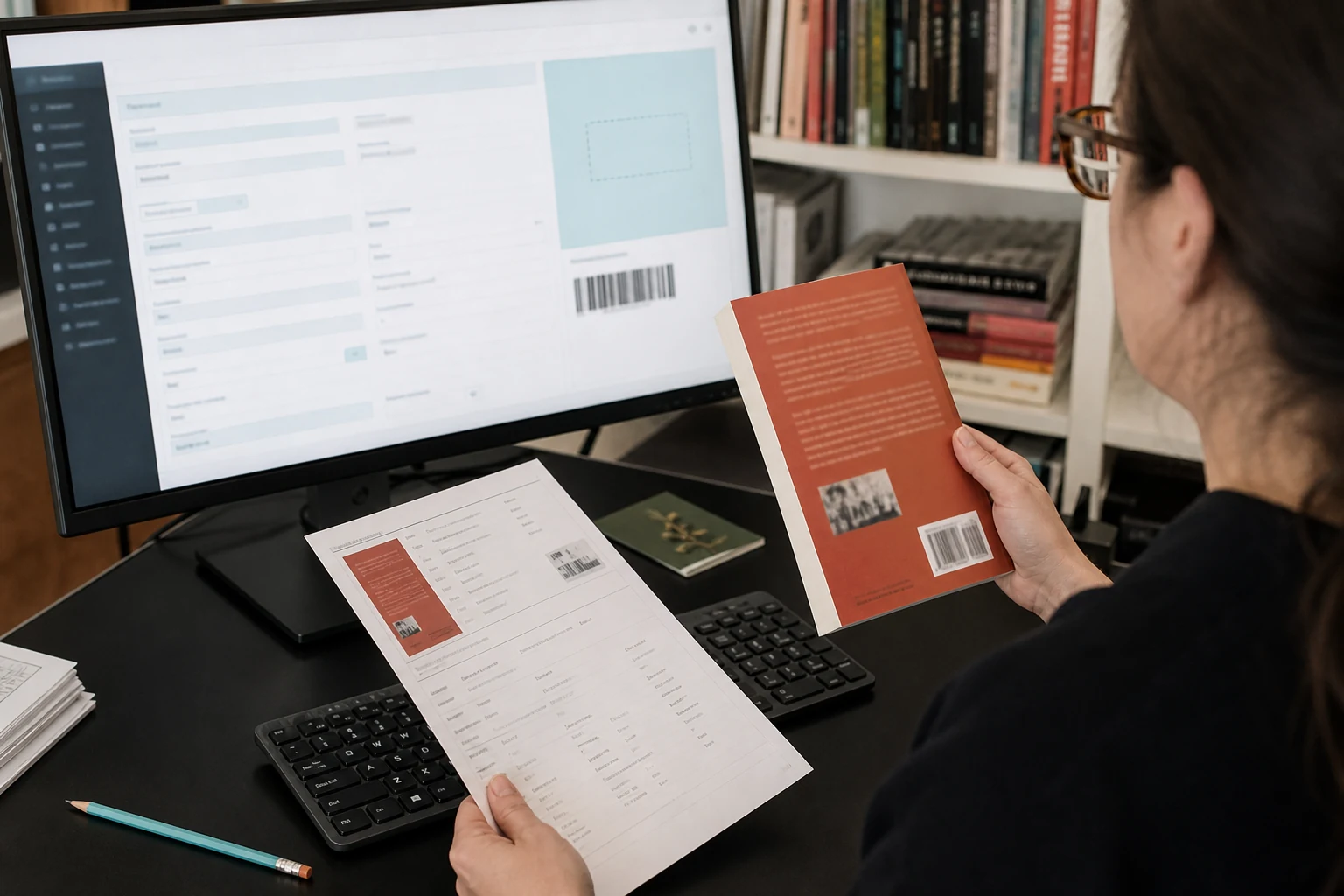
Backlist is often easier to evaluate than a new title because there is evidence. Reviews, sales history, reader response, series performance, author platform, category behavior, awards, classroom adoption, newsletter engagement, and retailer history all help a rights team understand whether a book has travel potential. A new title may be exciting, but it often asks the market to guess. A strong backlist title arrives with signals that can guide language priority, sample selection, and production budget.
For small publishers, backlist expansion can be more realistic than building a full foreign rights department. The publisher may not need permanent staff, fair booths, and complex international administration at the beginning. It may need a shortlist, a rights status audit, market notes, sample translations, refreshed metadata, and a disciplined way to test one or two priority languages. That is a practical first move. It turns an underused catalog into a set of focused opportunities rather than a vague hope that everything should travel.
Series can be especially valuable. A single book has to prove itself alone, but a series can offer continuity, repeat readership, and a clearer commercial argument. Romance, fantasy, cozy mystery, commercial fiction, business, wellness, and self-development backlists often benefit from staged rollout planning. The first localized book can test voice, metadata, reader response, and production workflow. If the signal is strong, later books can follow with established terminology, style decisions, and launch learning already in place.
The rights audit is still essential. Older books can carry older contracts, reserved territories, expired licenses, image restrictions, illustrator permissions, audio carveouts, or publisher obligations that are not obvious from the frontlist metadata. A backlist project should ask who controls translation rights today, whether any prior foreign editions exist, which formats are open, whether cover assets can be reused, and whether the author or estate has approval rights. A promising title is not ready until the rights position is legible.
Market fit should be argued title by title. A book with strong domestic sales may still be too culturally specific without adaptation. A modest domestic seller may have a clearer market abroad because its genre, topic, or author platform aligns with an unmet readership. Nonfiction may require updated references or positioning. Fiction may need category reframing. Children and YA titles may require additional sensitivity around illustrations, school adoption, and age-band expectations. Backlist work rewards judgment more than volume.
Materials are what turn a backlist title into a presentable opportunity. A current rights sheet, sample translation, concise pitch, author bio, sales and review context, category notes, comparable titles, metadata, and rights availability can make a book much easier to evaluate. Without those materials, a partner has to reconstruct the opportunity from scattered information. That slows the conversation. Good materials do not guarantee a deal, but they reduce friction and signal professional readiness.
The goal is not to move every book. It is to identify which books deserve localization investment and which should wait. A disciplined backlist review may produce three categories: titles ready for localization, titles that need sample or metadata work first, and titles that should remain parked until rights, category, or commercial signals improve. That kind of selection protects budget and helps rightsholders move faster where the opportunity is real.
A backlist title often begins with evidence that a new release does not yet have: completed reviews, reader language, sell-through patterns, comparable audience data, and a stable editorial text. Those signals help a foreign partner understand the promise of the book. They also help the rightsholder choose a passage for sampling and identify which claims are supported rather than speculative.
The advantage depends on rights cleanliness. Older covers may contain licensed images, early contracts may reserve or grant unexpected rights, and files may exist only in obsolete formats. Before presenting the title, verify the governing edition, retrieve editable assets, and reconcile contributor permissions. A commercially proven title with uncertain rights can move more slowly than a new title with disciplined records.
Packaging should be refreshed without erasing the title history. The rights sheet can show publication date, formats, notable reception, audience, and current availability while explaining why the book matters now. Metadata and category framing may need an update for the destination market. The aim is to translate demonstrated value into a current partner decision, not to make an old title pretend to be new.
Prioritization is more useful than uploading the whole archive. Rank titles by rights availability, category fit, evidence of durable interest, sample readiness, and the effort required to prepare files. A short list of well-supported titles invites a clearer response than a large undifferentiated catalog. The titles that do not make the first list can be improved as later candidates rather than abandoned.
Treat the first market as a learning cycle. Record which titles earn requests, which descriptions produce confusion, what samples partners ask for, and where the rights record slows the conversation. That information should change the next round of selection. A backlist program becomes valuable when it steadily improves the catalog, not when it depends on a single burst of nostalgic promotion.