From Manuscript to Market-Ready Package
A walk through MAQUINE's pipeline: intake, rights check, editorial review, translation, revision, proofreading, formatting guidance, metadata, and delivery.
By Daniel Hart · MAQUINE Editorial Desk
A house editorial byline, not a client identity or external endorsement.

A market-ready package begins with intake. The source manuscript, rights status, publication history, category, audience, existing metadata, cover assets, sales signals, and rightsholder goals tell MAQUINE what kind of project is actually being built. A romance series, a business book, a literary novel, and a backlist nonfiction title do not need the same path. Intake prevents the project from becoming a vague translation request with publishing problems attached later.
The rights check separates what can be produced from what should wait. Language, territory, format, term, third-party material, approval, existing licenses, image permissions, and publishing control must be visible before production begins. This does not mean every project needs a complicated legal process. It means the rightsholder and MAQUINE should know whether the localized edition can be prepared cleanly and what boundaries need to be respected.
Editorial review shapes the localization brief. The brief identifies voice, audience, genre expectations, terminology needs, cultural references, risk points, market-positioning issues, and quality-control requirements. For fiction, the brief may address dialogue, pacing, tone, names, series continuity, and trope expectations. For nonfiction, it may address argument structure, examples, references, authority, and usefulness. A good brief makes the translator and editor work with clearer purpose.
Translator selection should follow the brief, not only the language pair. A technically fluent translator may not be right for a commercial romance. A literary translator may not be right for direct-response business nonfiction. A project may need a translator, reviser, proofreader, subject reviewer, or sensitivity reader depending on category and market. MAQUINE works through a curated network so the match can reflect the title rather than a generic language label.
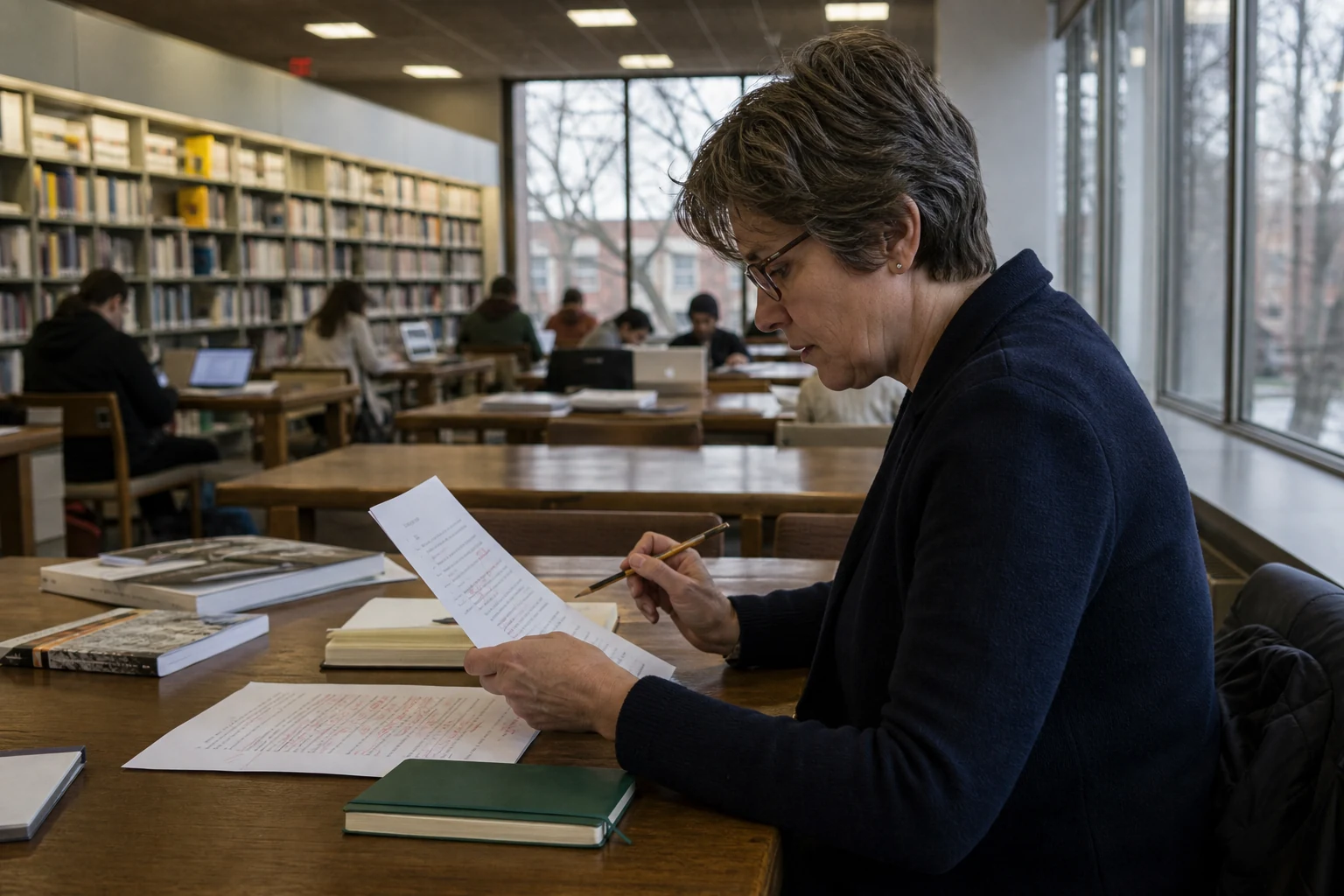
Revision is where the edition becomes publishable. It tests accuracy, voice, fluency, continuity, and category promise. Proofreading then catches surface issues after the text is stable. QA may include glossary control, repeated terms, names, chapter titles, punctuation conventions, formatting notes, and consistency against source materials. The more complex the series or nonfiction apparatus, the more visible this stage should be.
Metadata and copy are developed alongside the manuscript path. Title and subtitle options, category notes, keywords, store descriptions, back-cover copy, author bio notes, and short pitch language help the rightsholder publish or present the work. A market-ready package should not leave the author with a translated manuscript and no way to describe it. The edition needs language for readers, retailers, partners, and internal decision-makers.
Delivery should be organized enough for the rightsholder to act. Final materials may include localized manuscript, revision notes, QA notes, glossary, metadata, store copy, rights sheet updates, sample files, and next-step recommendations. The packet can support direct publication, partner review, rights outreach, or a decision to delay. The value is not only the files. It is the reduced uncertainty around what the rightsholder now has and what the next move requires.
The package begins with a controlled source. Identify the governing manuscript, version date, included front and back matter, image files, tables, notes, and any text excluded from the localization scope. Freeze that source for production and document later author changes. Without a baseline, teams can spend significant time translating corrections into multiple files without knowing which edition is authoritative.
Each stage should have a decision owner. Translation choices, glossary changes, editorial adaptation, author queries, cover copy, metadata, and final proofs may involve different specialists. A simple responsibility map records who prepares, reviews, approves, and receives each item. This prevents stalled work and protects the author from being asked to adjudicate technical questions without the right context.
Version control is part of editorial quality. File names should indicate language, stage, and date; working folders should separate source, in-progress, approved, and delivery assets. Comments need a defined place rather than parallel email attachments. The method can be lightweight, but everyone must know where the current text lives and which document contains the approved decision history.
Quality assurance should compare content and function. Check the localized text against the source, then inspect the formatted edition for navigation, typography, images, headings, links, and accessibility. Review the retailer copy and metadata against the final book so promises and details agree. A market-ready package fails if any one of these layers points to a different edition.
The final delivery should be understandable without the production team in the room. Include editable and release files as agreed, a delivery manifest, glossary, metadata sheet, cover specifications, known issues, rights notes, and approval record. This turns a collection of files into publishing infrastructure. The rightsholder can then release, revise, archive, or present the edition with confidence.