Metadata as Rights Infrastructure
Metadata is not clerical residue. It is how a foreign edition becomes discoverable, reportable, and governable.
By Sophie Reed · MAQUINE Editorial Desk
A house editorial byline, not a client identity or external endorsement.
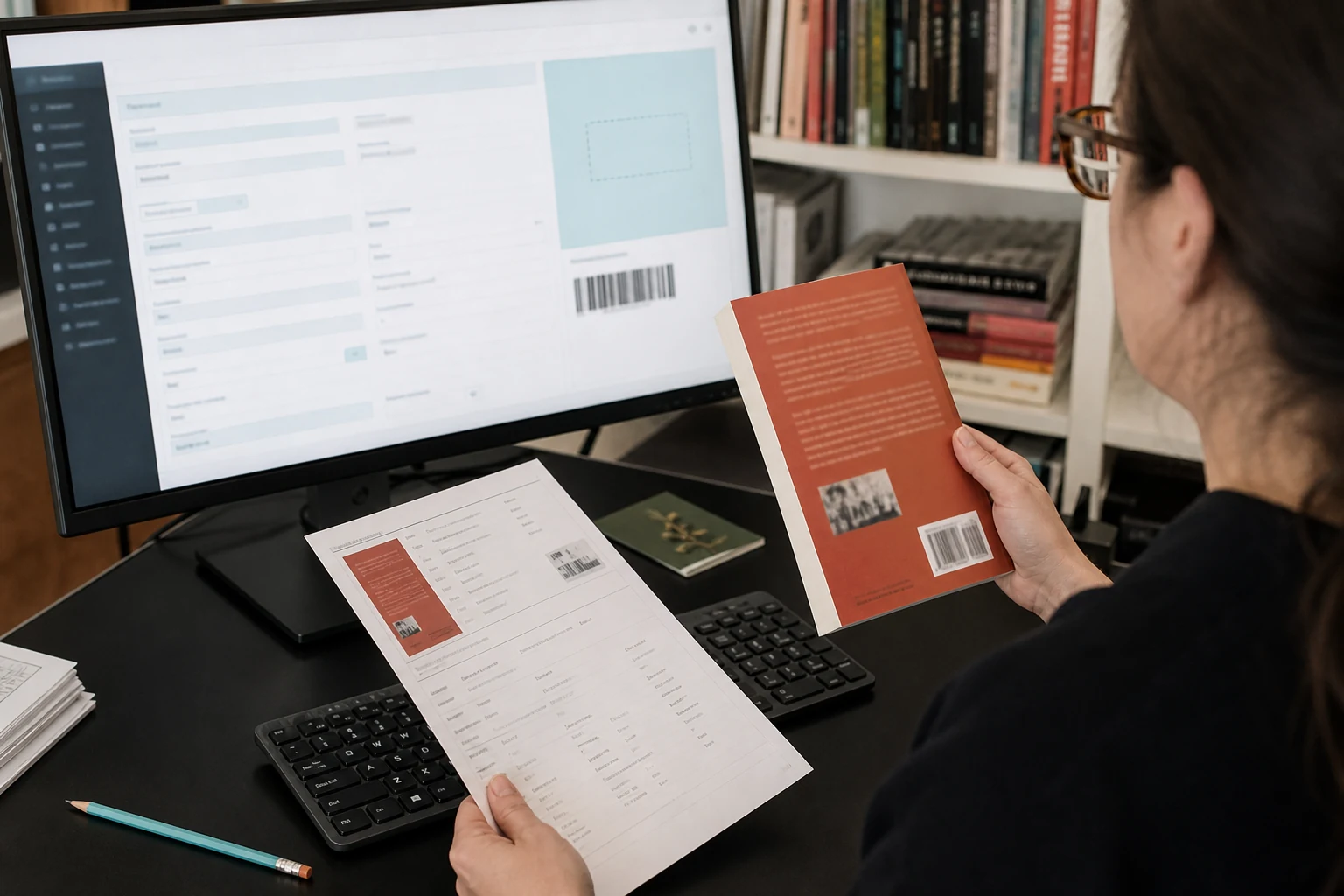
Metadata shapes how a book is found, sold, described, and reported. In rights-led edition work, it also communicates control. Title, subtitle, contributor names, language, territory, format, publisher, imprint, ISBN, publication date, categories, keywords, rights notices, series information, and pricing all tell the market what the edition is and who governs it. Weak metadata makes a foreign edition harder to discover and harder to administer.
A rightsholder may think metadata comes after translation, but that sequencing is often too late. Title length affects cover design. Subtitle strategy affects positioning. Category choices affect reader expectations. Keywords affect discoverability. Contributor names and roles affect rights records. Territory and format information affect reporting. Metadata decisions belong inside the localization workflow because they influence how the edition is built, not only how it is uploaded.
Direct translation of metadata can be misleading. A source-language description may rely on cultural context the new reader does not have. A category label may not map cleanly across markets. A subtitle may sound elegant in one language and flat in another. A keyword may be literal but not searchable. The localized metadata should preserve the book promise while adapting the commercial language around it.
Series metadata requires special care. Numbering, subtitles, character references, world names, recurring taglines, and author branding should remain consistent across books. If one edition calls the series by one name and another changes the structure, readers and retailers may treat the books as unrelated. A series that travels well usually has a metadata system, not just a translated manuscript.
Rights metadata is equally important. A publisher or partner reviewing a title needs to know what language rights are available, which territories are open, which formats are included, whether prior editions exist, and what materials can be reviewed. This information should not be buried in email threads. A clean rights sheet and catalog record make the opportunity easier to evaluate and easier to report internally.
Operational metadata supports reporting after publication. If sales, royalties, distribution channels, release dates, and edition identifiers are unclear, the rightsholder loses visibility. Even when MAQUINE does not publish the edition, the delivery packet can help the rightsholder organize the metadata needed for upload, tracking, and future rights conversations. Good metadata protects both discoverability and memory.
MAQUINE treats metadata as rights infrastructure because international publishing depends on organized information. A beautiful translation with weak metadata can disappear. A promising rights conversation with vague availability can stall. A foreign edition without clear identifiers can become hard to report. Metadata is the quiet structure that lets a story move without becoming administratively lost.
A rights record and a metadata record should share the same identity. Title, contributor, edition, ISBN or internal identifier, language, format, and publication status need consistent values across the catalog, rights sheet, sample folder, and contact system. If the same work appears under several uncontrolled names, staff can send the wrong material or discuss rights for the wrong edition.
Rights-specific metadata goes beyond retail fields. It should capture rightsholder, representative authority, available languages and territories, reserved rights, existing licenses, expiry dates, approval requirements, material status, and the date the record was verified. These fields turn a promotional description into an operational object. They help a team answer a partner question without reconstructing the history from an inbox.
Versioning matters because availability changes. A title may be open in one territory today and under option tomorrow; a new edition may replace the source file; a sample may be approved after an earlier draft circulated. Record effective dates and preserve prior versions. The goal is not to show every internal revision publicly, but to know which facts governed each conversation.
Metadata should move through a defined workflow. Draft records can be incomplete, review records can await authority or materials, and public records should meet the publication threshold. Status labels make that difference visible. They also keep a well-designed page from creating false confidence around data that has not been checked by the rights desk.
An audit trail protects relationships. When a partner asks why a territory was presented as available, the team should be able to see the source, reviewer, date, and later change. That trace supports correction without defensiveness and reduces repeat errors. Metadata becomes rights infrastructure when it preserves both the current answer and the basis for trusting it.
Governance keeps the record useful. Schedule periodic checks for stale availability, expired options, broken sample links, outdated biographies, and mismatched identifiers. Assign each important field a source and owner. The best metadata system is not the one with the most fields; it is the one whose critical fields can still be trusted when a partner asks for an answer quickly.
More from the rights desk

Localization Notes 5 min read
Translation Is Not Enough: What Makes a Book Publication-Ready in Another Market
Read note
Publishing Infrastructure 5 min read
Why Rights Outreach Needs a Real Follow-Up System
Read note
Author Partnerships 5 min read