How to Build a Rights Sheet That Gets Read
A rights sheet should answer professional questions quickly: what the title is, why it travels, what is available, and what comes next.
By Daniel Hart · MAQUINE Editorial Desk
A house editorial byline, not a client identity or external endorsement.
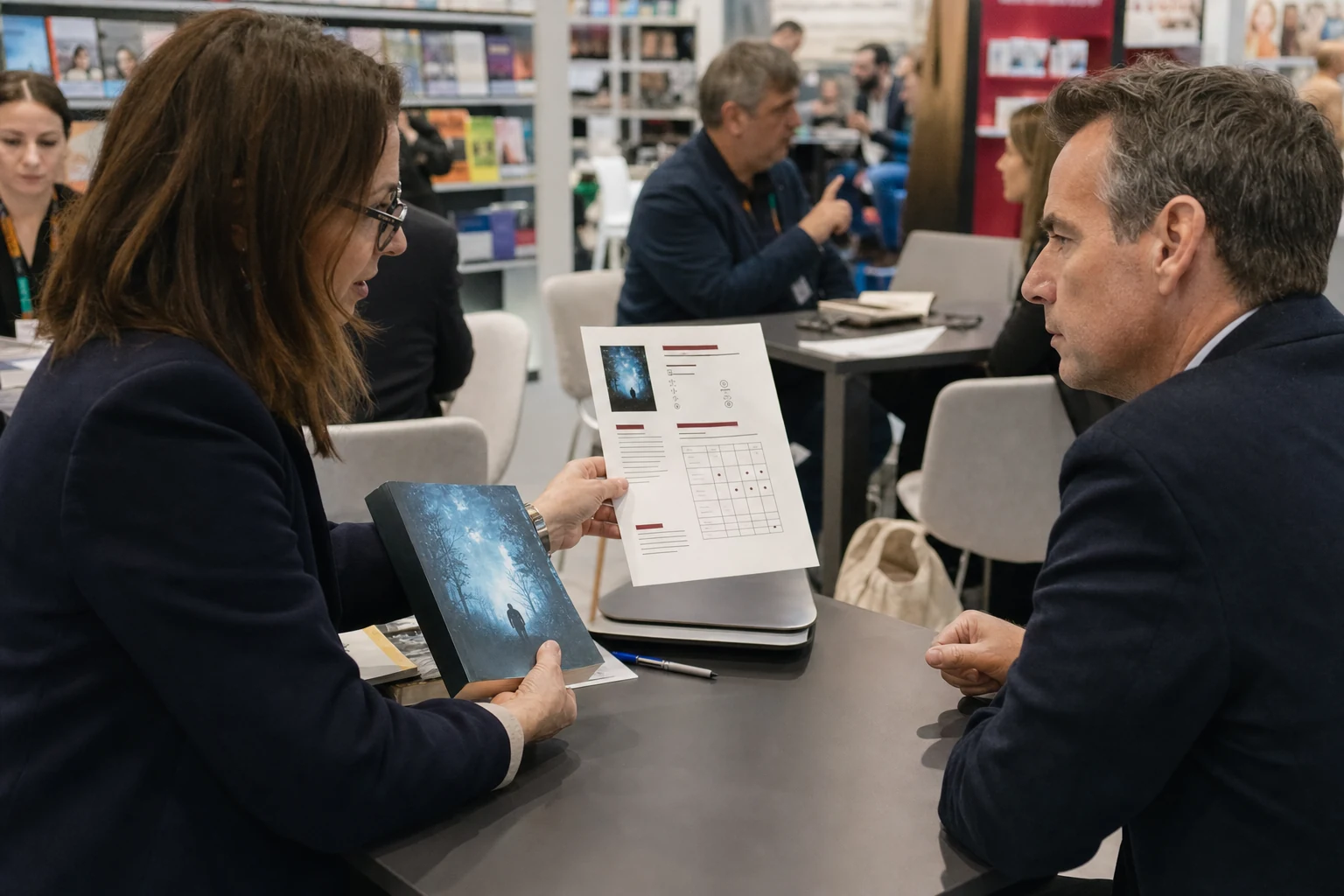
A rights sheet is not a brochure. It is a decision tool. The reader may be an editor, agent, scout, rights manager, publisher, or licensing professional with limited time. The sheet should answer the core questions quickly: what is the title, who is the author, what is the category, why does it travel, what rights are available, what evidence supports it, what materials exist, and what should happen next.
The title promise should be clear in the first few lines. A rights professional should not have to decode the book from a long atmospheric paragraph. The sheet can be elegant, but it must be useful. Category, audience, hook, comparable titles, publication history, series position, and author context should be easy to find. If the book has awards, reviews, sales signals, classroom use, press, or community response, those signals should be visible.
Availability is the heart of the sheet. Language rights, territories, formats, prior licenses, and restrictions should be named. If all translation rights are open, say so. If Portuguese is open but Spanish is reserved, say so. If audio is separate, say so. If a prior foreign edition exists, note it. Professionals are more likely to engage when they trust that availability is not vague.
Materials should be listed honestly. Full manuscript, sample translation, synopsis, chapter outline, author bio, cover assets, metadata, reviews, sales data, and prior edition information each help the reviewer understand what is ready. If a sample translation is available, note the language and scope. If MAQUINE can prepare one, the sheet can indicate that the material is available on request or in preparation.
The design should support scanning. A rights sheet can be beautiful without becoming dense. Use sections, hierarchy, concise copy, and strong spacing. Avoid tiny paragraphs and decorative claims that do not answer professional questions. A sheet that looks premium but hides availability is not doing its job. The best visual design respects the reader time.
The next step should be explicit. Request the sample. Ask for the full manuscript. Schedule a conversation. Review a market note. Confirm territory availability. A rights sheet should not end with general enthusiasm. It should make the next action obvious and low friction. The easier the next step, the more likely the conversation continues.
MAQUINE builds rights sheets as part of the broader rights and localization system. The sheet should connect to catalog records, sample materials, metadata, market notes, and follow-up language. A good rights sheet does not close the deal by itself. It earns the next professional look.
The first screen should answer five questions quickly: what is the book, who is it for, why does it matter, which rights are available, and whom should the reader contact. Use a strong cover or approved visual, a concise hook, essential bibliographic facts, and a specific availability line. Decorative language should not push the commercial facts into a second document.
Rights language needs dimensions. State language, territory, format, and relevant status, and include a verification date when useful. If some rights are under option, licensed, reserved, or subject to third-party approval, do not simplify them into a broad open label. A qualified partner will value an accurate boundary more than an expansive statement that later needs to be withdrawn.
Commercial context should be selective and supported. Include publication history, audience, category, relevant recognition, sales evidence, or comparable positioning only when the rightsholder can substantiate it. Avoid a wall of praise. The sheet should explain the market case and direct an interested editor toward the sample, manuscript, or next conversation.
Design for forwarding. Keep typography readable, links stable, file size modest, and contact information visible on the page. Use an accessible PDF and a web version when possible. Name the file with title, rights, language or catalog season, and date. The recipient should be able to understand the document after it has traveled two inboxes away from the original message.
Treat the sheet as a controlled record. Assign an owner, version date, source of each claim, and review trigger when rights or publication facts change. Archive replaced versions and update linked materials together. A beautiful rights sheet becomes dangerous when it continues circulating after availability has changed; disciplined maintenance is part of the design.
Keep a fuller internal companion record behind the concise sheet. It can hold contract references, verification notes, restricted claims, contact history, and material status that do not belong in the outward-facing page. The public sheet remains readable while the rights desk retains enough evidence to answer detailed questions and issue a corrected version without reconstructing the title from memory.